

Artificial intelligence has become one of the most powerful technologies of our time, but despite its impressive abilities, AI does not think, feel, or understand the world in the same way humans do.
Human intelligence is built on experience, emotions, consciousness, creativity, and personal understanding. People learn from real-life experiences, develop intuition, and use emotions and values when making decisions. AI, on the other hand, works by analyzing patterns in data and generating responses based on the information it has learned.
The Future of Human and AI Collaboration
AI is not a replacement for human intelligence—it is a powerful tool that enhances what people can achieve. By combining human creativity with AI’s ability to process information quickly, we can create smarter solutions, improve efficiency, and explore new possibilities.
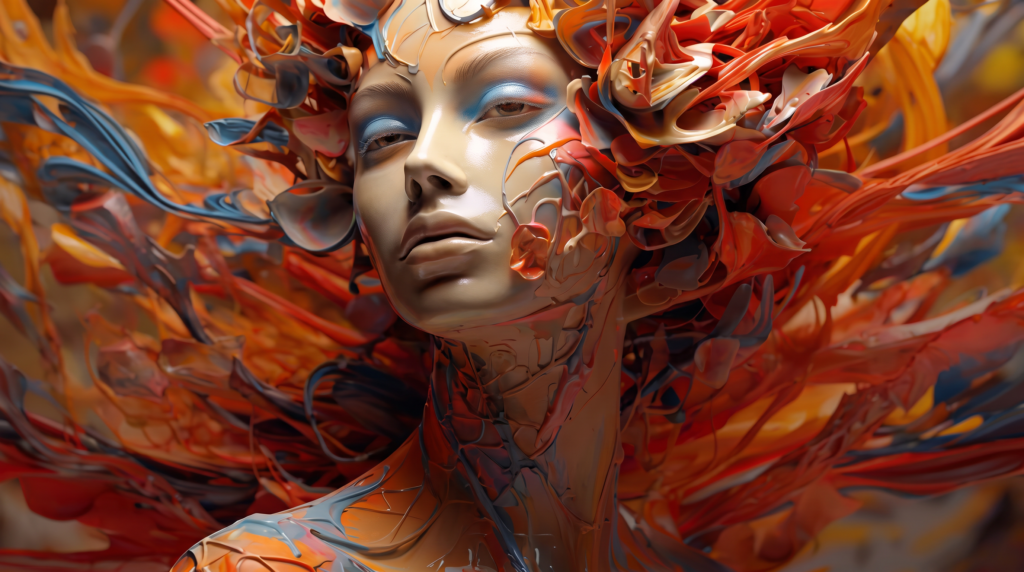
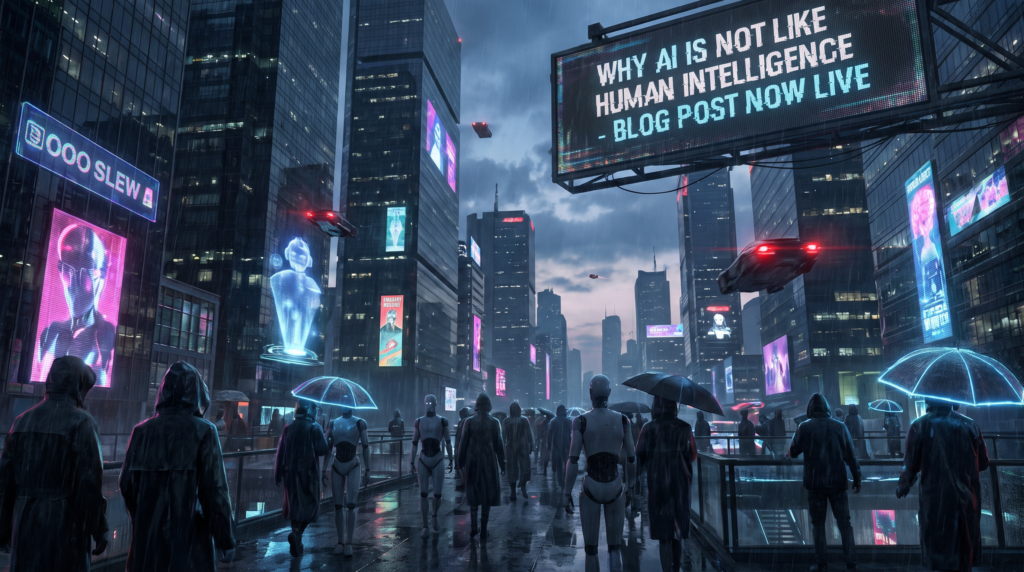
For example, an AI system can write a story about happiness, but it does not actually feel happiness. It can analyze a conversation about emotions, but it does not experience those emotions itself. AI can reproduce patterns of human creativity, but it does not create from personal memories, imagination, or consciousness like a person does.
Another important difference is understanding. Humans naturally understand context through their experiences and knowledge of the world. AI relies on the information it has been trained on and the instructions it receives. While modern AI systems are extremely advanced, they do not possess independent thoughts, beliefs, or intentions.
AI can expand human potential, but human creativity, emotion, and imagination remain the foundation of true innovation.
The difference between AI and human intelligence does not make one superior to the other. Instead, they represent two different forms of problem-solving. AI provides speed, accuracy, and the ability to process enormous amounts of information, while humans provide creativity, emotional intelligence, leadership, and the ability to imagine new possibilities.
As artificial intelligence continues to develop, understanding its capabilities and limitations will become increasingly important. AI should not be viewed as a replacement for human intelligence, but as a tool that enhances human potential. The greatest innovations will come from combining the power of advanced technology with human creativity, judgment, and imagination.
The future of technology will be built through collaboration between humans and artificial intelligence. Businesses can use AI to automate tasks and improve efficiency, creators can use it to develop new ideas, and researchers can use it to discover solutions faster. However, human direction remains essential because people decide how technology should be used and what goals it should serve.
By embracing AI responsibly, we can create a future where technology supports people, expands opportunities, and helps solve some of the world’s biggest challenges while keeping human intelligence at the heart of progress.

